Every single day, millions of people around the world receive calls from numbers they do not recognize. Some of these calls are harmless — a friend calling from a new number, a business trying to reach you, or a customer service representative following up on a query. But many of these calls are from scammers, telemarketers, harassing individuals, or fraudsters trying to steal your money or personal information.
In a world where mobile phones have become the center of our personal and professional lives, knowing who is calling you is no longer just a matter of curiosity — it is a matter of safety. This is why tools like SIM ownership trackers and reverse phone lookup services have become so popular and so necessary.
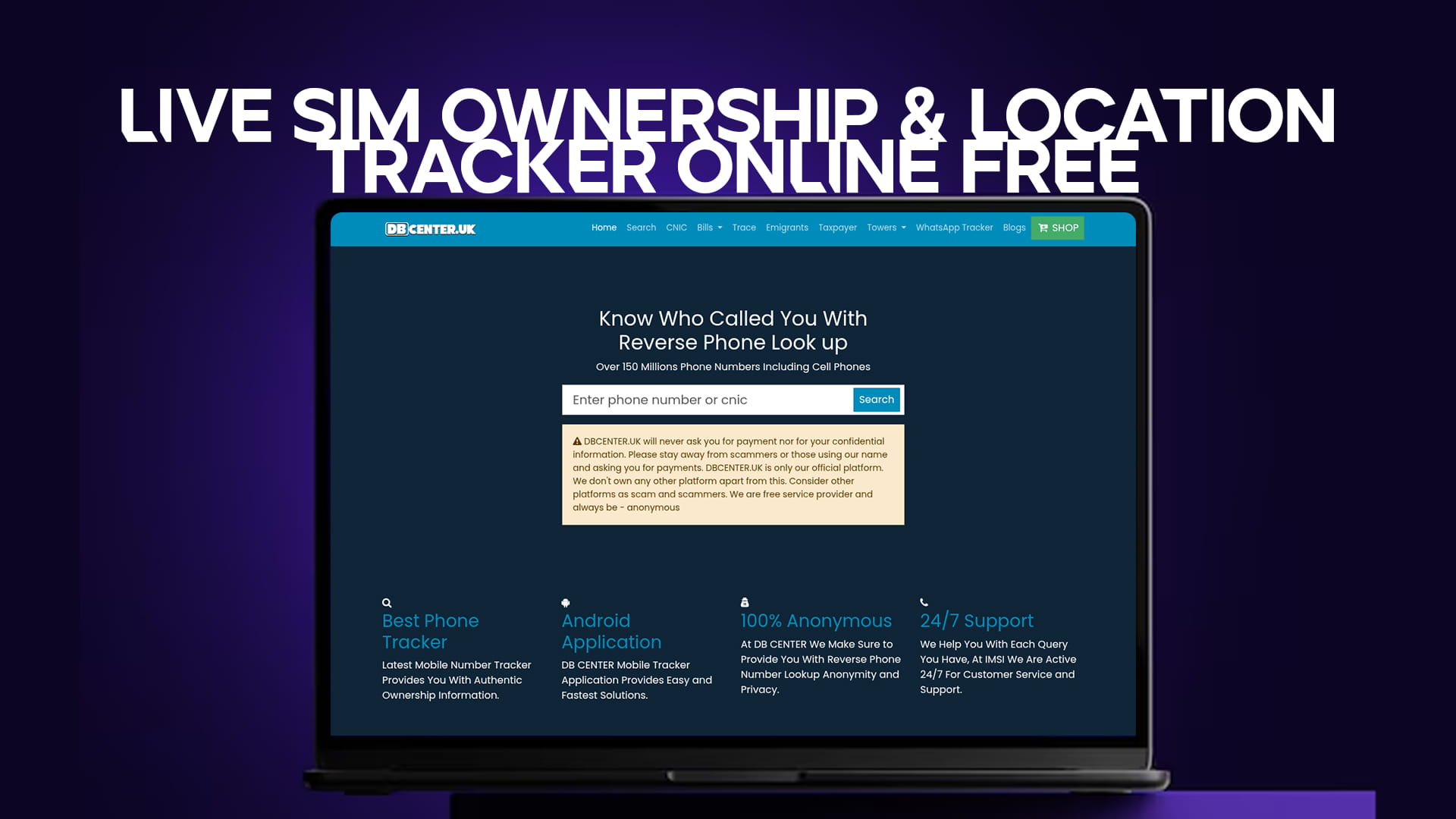
In this article, we will walk you through everything you need to know about checking SIM ownership online, what live tracking means and how it works within legal limits, what tools are available for free, and why DB Center — with its database of over 150 million phone numbers — is one of the most reliable platforms available to help you identify unknown callers and stay safe.
What Is a SIM Ownership Tracker?
A SIM ownership tracker is a tool or service that helps you find out who owns a particular SIM card or phone number. Rather than tracking physical movement, the core function of a SIM ownership tool is to identify the person or entity that a specific phone number is registered to.
This is different from GPS-based location tracking. SIM ownership tools work by accessing publicly available records, user-contributed data, and large phone number databases to match a phone number with an owner's name, carrier details, geographic region, and sometimes even feedback from other users about whether the number has been reported as spam or fraudulent.
Understanding this distinction is critical. Many people search for "live SIM tracker" expecting to find the real-time GPS location of a phone. In reality, true real-time location tracking of another person's device without their knowledge or consent is illegal in most countries and requires law enforcement involvement. What is legally and freely available online is SIM ownership lookup and reverse phone number lookup — and that is exactly what this article focuses on.
Why People Want to Track SIM Ownership Online
The demand for SIM ownership lookup services is driven by very real, everyday concerns. Here are the most common reasons why people look for SIM ownership trackers online:
Identifying Unknown Callers Getting a call from an unknown number and not knowing whether to pick up or call back is something nearly everyone experiences. A quick ownership lookup can tell you whether the number belongs to a legitimate person, a business, or a known spam caller.
Protecting Yourself from Scams Phone scams have reached epidemic proportions globally. Fraudsters impersonate banks, government agencies, utility companies, and even family members to steal money and personal information. Being able to verify a phone number before trusting the caller is a powerful defense against these scams.
Stopping Harassment If someone is calling or texting you repeatedly in an unwanted or threatening manner, identifying who owns that number is the first step toward taking action — whether that means blocking them, confronting them, or reporting them to authorities.
Parental Safety Parents often want to know who their children are communicating with. While this should always be done transparently and with respect for privacy, being able to verify that a contact is legitimate is an understandable concern for any parent.
Business Verification Entrepreneurs and small business owners regularly need to verify whether a phone number belongs to a real, legitimate customer or contact before proceeding with a transaction or meeting.
Reconnecting with Lost Contacts Sometimes people receive calls from numbers they once knew but have since lost contact with. A reverse lookup can help confirm whether it is worth calling back.
What "Live" Means in the Context of SIM Tracking
The word "live" is often used loosely when people search for SIM tracking tools. It is important to understand what this means in practice so that you have realistic expectations.
What "Live" SIM Tracking Actually Means in Legal Tools For legitimate, publicly available tools like DB Center, "live" refers to the fact that the database is regularly updated with current information. When you look up a phone number, you are getting results based on the most recent data available — not outdated records from years ago. This means that even if a SIM card was recently transferred, newly registered, or recently reported as spam, the updated information will be reflected in the search results.
What "Live" SIM Tracking Does NOT Mean for Free Online Tools "Live" does not mean that a free online tool can show you the real-time GPS coordinates of a phone. That kind of tracking requires direct access to telecom network infrastructure, which is only accessible by telecom operators and law enforcement with proper legal authorization. Any website claiming to show you the real-time GPS location of someone's SIM card for free is almost certainly either misleading you, attempting to scam you, or worse — trying to install malware on your device.
This is an important warning: Be very cautious of websites that claim to provide live GPS tracking of SIM cards for free. These are almost always scams or security threats.
How SIM Ownership Lookup Works
Legitimate SIM ownership lookup and reverse phone services work through a combination of methods. Here is a general overview of how they function:
Public Records and Open Data
Many phone numbers are associated with public records — business listings, public directories, government registrations, and other open sources. Platforms aggregate this data to create searchable databases.
User Contributions
Many reverse phone lookup platforms allow users to report information about specific numbers — for example, flagging a number as spam, sharing the name of the caller, or leaving feedback about a suspicious call. Over time, this community-driven data becomes extremely valuable.
Carrier Data and Number Portability Records
In some countries, general carrier information (which telecom company a number belongs to) is publicly available. This can help identify the approximate geographic origin of a call.
Spam and Fraud Reporting Networks
Spam reporting networks collect data from millions of users who flag unwanted calls. This data is often integrated into reverse phone lookup platforms, allowing users to immediately see whether a number has been reported as suspicious.
DB Center uses a combination of these methods to maintain one of the most comprehensive phone number databases available, covering over 150 million numbers including cell phones, landlines, and business lines.
DB Center – Free Reverse Phone Lookup with 150 Million Numbers
When it comes to identifying unknown callers and checking SIM ownership information online, DB Center is a leading platform trusted by millions of users worldwide. Here is what makes DB Center the go-to choice for anyone looking for a reliable, free reverse phone lookup service.
Over 150 Million Phone Numbers
The size of DB Center's database is its most impressive feature. With over 150 million phone numbers indexed — including cell phones, which many other services ignore — it offers unmatched coverage. Whether the number that called you is from the United Kingdom, Pakistan, the United States, or elsewhere, chances are high that DB Center has relevant information about it.
Cell Phone Number Support
One of the biggest limitations of many phone lookup tools is that they only cover landlines. In 2026, the overwhelming majority of calls come from mobile numbers. DB Center specifically includes cell phone numbers in its database, making it far more useful for identifying modern-day callers.
Completely Free to Use
DB Center offers free reverse phone lookup capabilities, meaning you do not need to pay money, create an account, or provide your personal information just to perform a basic search. Simply visit the platform, enter the number, and see the results.
Simple and Clean Interface
Not everyone is technically minded. DB Center is designed to be as simple as possible. The search bar is front and center, results are easy to read, and the information is presented in plain, everyday language.
Fast Results
Searches on DB Center return results in seconds. There is no lengthy loading time or complicated process. You enter the number, click search, and get the information you need almost immediately.
Spam and Scam Number Flagging
One of the most practically useful features of DB Center is its spam number flagging capability. If a number has been reported by other users as spam, fraudulent, or a known scam, this information is visible in the search results. This means that even if DB Center does not have the name of the caller, you can still see whether other people have reported the number as problematic.
Regularly Updated Data
The value of any phone lookup database depends on how current its information is. DB Center maintains and updates its database regularly so that newly registered numbers, recently reported spam numbers, and other changes are reflected in the results.
Step-by-Step Guide: How to Check SIM Ownership Using DB Center
Here is exactly how you can use DB Center to look up a phone number and check SIM ownership information:
Step 1: Open Your Browser On any device — smartphone, tablet, or computer — open your preferred web browser. DB Center works on all major browsers and devices.
Step 2: Go to DB Center Navigate to the DB Center website. The homepage features a prominent search bar designed specifically for phone number lookups.
Step 3: Enter the Phone Number Type in the full phone number you want to look up. Make sure to include the country code if you are looking up an international number. For example, UK numbers should include +44, Pakistan numbers should include +92, and so on.
Step 4: Run the Search Click the search button and allow DB Center a few seconds to search its database of over 150 million numbers.
Step 5: Review Your Results The results page will display any available information about the number. This may include the name of the owner, the telecom carrier, the geographic region, and whether the number has been flagged as spam by other users.
Step 6: Take Appropriate Action Based on what you find, you can decide to call back, block the number, or in serious cases, report it to the relevant authorities.
Understanding the Difference Between Legal and Illegal Phone Tracking
This is a topic that deserves careful attention. Phone tracking falls into two very distinct categories — legal and illegal — and it is important to know the difference.
Legal Phone Tracking (What You Can Do Freely)
The following activities are legal, widely practiced, and supported by platforms like DB Center:
- Reverse phone lookup: Looking up who owns a number using public data and user-reported information.
- Spam number checking: Searching a database to see if a number has been flagged as spam or fraud.
- Carrier lookup: Finding out which telecom company a number is registered with.
- Self-monitoring: Checking how many SIMs are registered in your own name (e.g., via official telecom authority portals).
- Business verification: Confirming that a business contact's number is legitimate.
Illegal Phone Tracking (What You Cannot Do)
The following activities are illegal in most countries, including the UK, Pakistan, the United States, and the EU:
- Tracking someone's real-time GPS location without their consent: This is a serious violation of privacy laws and in many jurisdictions constitutes a criminal offense.
- Accessing private telecom records without authorization: Only licensed telecom operators and authorized law enforcement agencies can access subscriber data from telecom networks.
- Installing tracking software on someone's device without consent: This is considered spyware and is illegal in virtually every country in the world.
- Impersonating someone else to obtain their phone records: This is fraud and identity theft.
If you are facing a situation that requires real-time location tracking — such as a missing person or criminal activity — the correct course of action is always to contact law enforcement. They have the legal authority and proper tools to conduct such tracking within the boundaries of the law.
How to Identify a Fake SIM Tracker Website
Because so many people search for "live SIM location tracker free," the internet is unfortunately full of fake and fraudulent websites that claim to offer this service. These websites can cause serious harm, including:
- Installing malware on your device
- Stealing your personal information
- Charging your credit card without delivering any real service
- Exposing your device to hackers
Here is how to tell if a SIM tracker website is fake:
It Promises Real-Time GPS Location for Free No legitimate free website can give you the real-time GPS location of someone else's SIM card. This kind of access requires cooperation from telecom networks and legal authority. If a website claims to do this for free, it is lying to you.
It Asks You to Complete Surveys Before Showing Results This is a classic scam tactic. You enter a phone number, and the site tells you to complete a survey or download an app to see the results. The results never come, but you have wasted your time or potentially installed malware.
It Has No Privacy Policy or Contact Information Legitimate platforms like DB Center clearly display their privacy policies, terms of use, and contact information. If a website has none of these, treat it with extreme suspicion.
It Uses Flashy, Over-the-Top Claims Language like "Track Any SIM in the World Instantly!" or "Hack Any Phone Number — 100% Free!" are red flags. These are designed to lure in desperate or curious users, not to provide genuine services.
It Asks for Unusual Permissions If a website asks for access to your camera, microphone, or other sensitive device permissions just to look up a phone number, close it immediately.
Stick to trusted, established platforms like DB Center, which is transparent about what it offers — a reverse phone lookup service based on a genuine database of over 150 million numbers.
Best Practices for Protecting Yourself from Unknown Callers
In addition to using tools like DB Center, there are several habits you can adopt to protect yourself from unknown callers and phone-based scams:
Do Not Answer Calls from Unknown Numbers Immediately If you do not recognize a number, let it go to voicemail first. Legitimate callers will almost always leave a message. Scammers rarely do.
Search Before You Call Back Before returning a missed call from an unknown number, search it on DB Center. This takes less than a minute and can save you from a potential scam.
Keep Your Phone Number Private Online The fewer places your phone number appears online, the less likely it is to end up in spam or scam call lists. Avoid posting your number on public forums, social media, or unverified websites.
Register on the Do Not Call List Many countries maintain official Do Not Call registries where you can register your number to reduce telemarketing calls. If such a registry exists in your country, take advantage of it.
Use Your Smartphone's Built-In Spam Detection Modern Android and iOS devices have built-in spam call detection features. Enable these settings to get automatic warnings about suspicious callers.
Report Suspicious Numbers If you identify a scam number, report it to your telecom provider, local consumer protection authority, or platforms like DB Center so that other users can benefit from the warning.
Who Can Benefit from DB Center's Phone Lookup Service?
DB Center is not just for people dealing with scam calls. There is a wide range of users who can benefit from its services:
Everyday Individuals: Anyone who wants to know who called them before deciding whether to respond.
Parents: Those who want to verify contacts their children are communicating with.
Small Business Owners: People who need to verify customer or supplier contacts before engaging in transactions.
Freelancers and Remote Workers: Professionals who receive calls from new clients and want to verify their legitimacy.
Elderly People: Older adults are frequently targeted by phone scammers. Having access to a trusted lookup tool can be life-changing for this demographic.
Journalists and Researchers: People who need to verify sources or investigate phone-based communication patterns.
HR and Recruitment Professionals: Those who want to verify candidate contact information during hiring processes.
Conclusion
In 2026, with scam calls on the rise and personal safety becoming more important than ever, having access to reliable SIM ownership lookup tools is a genuine necessity. While real-time GPS location tracking of someone's SIM card without consent is illegal and not offered by legitimate free tools, there is a powerful and legal alternative that achieves most of what people actually need: reverse phone lookup.
DB Center stands at the forefront of this space, providing a free, fast, and comprehensive reverse phone lookup service backed by a database of over 150 million phone numbers, including cell phones. Whether you want to identify who called you, check if a number is a scam, verify a business contact, or simply find out more about an unknown caller, DB Center is the tool you need.
The key takeaway is simple: stay legal, stay informed, and use trusted tools. Avoid fake "live GPS tracker" websites that make promises they cannot keep, and instead rely on genuine, data-driven platforms like DB Center that give you real, actionable information about the phone numbers that matter to you.
Your safety starts with knowledge — and DB Center gives you that knowledge for free.